
Blog · · AuraNexas Web Team
AI Lead Follow-Up: Reply Faster Without Sounding Robotic
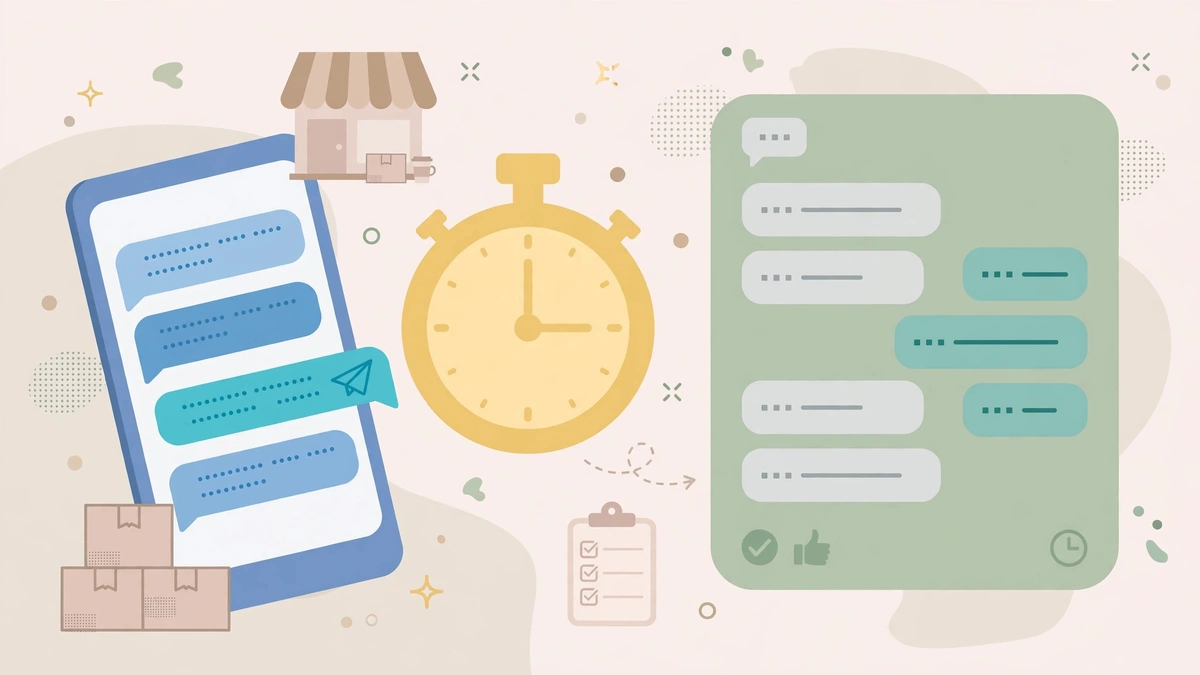
AI lead follow-up means a new enquiry gets an instant, personal-looking first reply — drafted from the original message and sent after a person approves it — then a short series of polite follow-ups if the lead goes quiet. The goal is speed with a human check, because a fast wrong reply is worse than a slow right one.
Most leads are not lost to a better competitor. They are lost to silence: the enquiry arrived, nobody replied for a day, and by the time someone did, the customer had already chosen whoever answered first. Follow-up is the cheapest conversion work a small business can do, because the lead already exists — it only needs an answer.
This guide covers how fast to reply, how many times to follow up, what AI should draft and what a person should send, and how to measure whether any of it works. No scripts are presented as guaranteed, and no figures are claimed for any real business.
How fast should you reply to a new lead?
Within the hour, and within minutes if you can. Harvard Business Review research on web-generated leads found firms that contacted a lead within an hour were nearly seven times more likely to qualify it than firms that waited longer, and the odds fall sharply after that. Set a target your team can hit, then automate the alert, not the conversation.
The research behind that figure is old — the Harvard Business Review study of online sales leads was published in 2011, covering about 1.25 million web-generated leads across 29 companies — but its direction has held up in every later check: faster is better, and the decay is steep. A separate MIT and InsideSales study found calling within five minutes instead of thirty produced about twenty-one times higher odds of qualifying the lead. Treat those as evidence that speed is a lever, not as a fixed benchmark for your trade.
The practical target is minutes, not hours. An instant acknowledgement — "Thanks, we have it, Sarah will call you before 11" — buys the time a real reply needs, and it is exactly the job AI does well: read the enquiry, draft the acknowledgement from the original message, and alert a person. The person still sends anything that promises a price, a date, or a result.
How many times should you follow up?
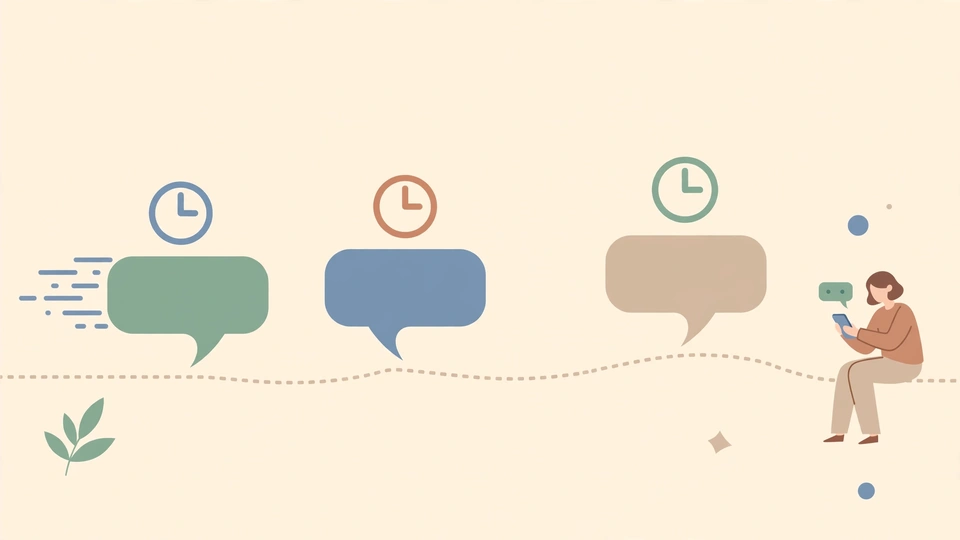
Five touches across two weeks is a reasonable cadence for most service businesses: a call or text within minutes, an email the same day, then check-ins on days two, five, and ten. Stop if the lead says no, and never send the same message twice — each touch should add something, such as a date or a price range.
Most businesses stop after one attempt, which is where the leak is: the lead was interested, the first message arrived at a bad moment, and nobody ever came back. A short cadence across call, text, and email — with automated reminders through a CRM so nothing depends on memory — converts more enquiries into booked work than ad-hoc chasing, because it is systematic rather than pushy.
Each touch needs a reason to exist. A second message that only says "just following up" adds nothing; one that adds a date, a price range, or an answer to the question the lead actually asked is a new message. And a "no" is a result, not a failure — stop at once, record it, and move on.
What should AI draft, and what should a person send?
AI prepares, a person decides — the same rule as our AI automation guide. AI is good at the first draft: an acknowledgement, a summary of the enquiry, a follow-up written from the original conversation. A person sends anything that commits the business: a price, a date, a promise, or a reply to an unhappy customer.
- AI drafts: acknowledgements, follow-up reminders, summaries of long enquiries, and sorting leads by service and urgency.
- A person sends: prices, quotes, promises, and anything to a customer who is unhappy or confused.
- A person reviews weekly: the conversations AI handled, the answers it got wrong, and the questions it could not answer — then fixes the knowledge, not the tool.
How do you measure follow-up?
Three numbers tell you whether follow-up works: median time to first reply, the share of leads contacted within the hour, and the qualification rate by response-time bucket. If reply time falls but qualification does not rise, the messages are fast and wrong — fix the message, not the speed. Record the baseline for two weeks before changing anything, or the comparison means nothing.
AuraNexas builds lead follow-up automation and chatbots for small businesses. If enquiries arrive and go quiet, visit AuraNexas and say how fast you reply today — the fix usually starts with the alert, not a new tool.
Want help with this?
AuraNexas builds AI automation, chatbots, websites, branding, and lead generation for small businesses. Tell us the one job in this guide that costs your team the most time, and we will scope it with you — no obligation, no invented promises.
Frequently asked questions
- How fast should a small business reply to a new lead?
- Within the hour, and within minutes if you can. Harvard Business Review research found firms that contacted a lead within an hour were nearly seven times more likely to qualify it than firms that waited longer.
- How many times should you follow up with a lead?
- Five touches across two weeks is reasonable for most service businesses: a call or text within minutes, an email the same day, then check-ins on days two, five, and ten. Stop at once if the lead says no.
- Should AI send follow-up emails on its own?
- No. AI should draft the acknowledgement and the follow-up, and a person should send anything that promises a price, a date, or a result. A fast wrong reply is worse than a slow right one.
About the author
AuraNexas Web Team — Web Lead, final-year BSc (Hons.) Agriculture student, The Islamia University of Bahawalpur (IUB). AuraNexas is a digital agency offering AI automation, chatbots and SaaS, web and app development, branding and UI/UX, lead generation, ads and cold email, AI UGC and video sales letters, e-commerce, and virtual assistance. Team: Web Lead (owner/CEO), Muhammad Waseem (AI automation), Ali Hasnain (AEO/GEO). No client results, testimonials, or revenue figures are claimed in this article.
Sources
- Made for Builders, "Lead Follow-Up for Trades Businesses" — Harvard Business Review's "The Short Life of Online Sales Leads": firms contacting a lead within an hour were far more likely to qualify it; odds drop sharply after the first hour. Opened via search 17 Nov 2026.
- NetBlaze, "How To Improve Lead Conversion: A Practical Guide" — HBR study published 2011; waiting 24 hours or more made qualification more than 60 times less likely. Opened via search 17 Nov 2026.
- Setterly, "Lead Follow-Up Statistics 2026: 15 Sourced Numbers" — Nearly 7x qualification within the hour (HBR, via SmartCompany); 23% of companies in the HBR research never responded to a web lead at all. Opened via search 17 Nov 2026.