
Blog · · AuraNexas Web Team
Cold Email for Lead Generation: Short, Honest, and Legal
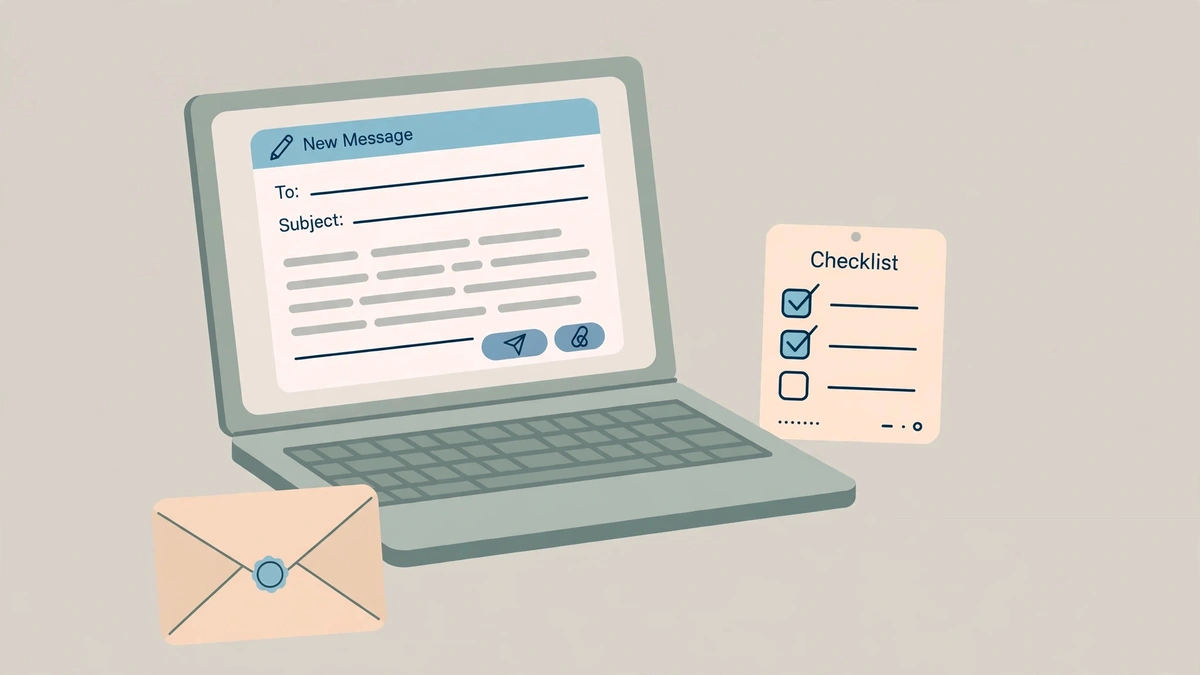
Cold email is a short, personal message to a business contact who has not heard from you yet, offering one specific thing that fits their role. It works when the list is small, the message is about the reader, and the sender's domain is protected. It fails as bulk mail, and in some countries it is illegal without consent.
Cold email has a bad reputation, and most of it is earned: bulk blasts, bought lists, and messages that open with a pitch and close with a demand. But the channel itself still works, because a short message to the right person at the right company is how most business relationships start. The difference between outreach and spam is targeting, honesty, and respect for the exit.
This guide covers the law in the three markets that matter most, the setup that protects your domain, what a good email looks like, and how to measure it. It is general information, not legal advice — the rules change, and they vary by the recipient's country.
Is cold email legal?
In the United States, cold email is legal without consent under CAN-SPAM, which requires honest sender details, no misleading subject, a postal address, and an opt-out honoured within ten business days. In the EU, business-to-business email is allowed under legitimate interest with an easy opt-out. Canada's CASL is stricter and generally needs consent first. This is information, not legal advice.
| Market | Law | What it requires |
|---|---|---|
| United States | CAN-SPAM | Accurate sender and subject, postal address, working opt-out honoured within 10 business days. No prior consent required. |
| EU and UK | GDPR + ePrivacy | A lawful basis — usually legitimate interest for B2B — an easy opt-out, and a genuine reason to contact that specific role. |
| Canada | CASL | Express or implied consent before sending, with narrow exceptions. The strictest of the three. |
The split that matters is opt-out against consent. The United States is opt-out: legal without asking first, with clear rules in exchange. The EU allows B2B outreach under legitimate interest, which means a genuine commercial reason to contact that specific person in that role — not a bought list of ten thousand addresses. Canada reverses it: consent first. Emailing individuals or sole traders, rather than a corporate role, pulls you into stricter rules in the EU and UK too.
Set up before you send: protect the domain
The single most important decision is which domain you send from — never your main business domain. Cold email can damage a domain's reputation, and a damaged main domain means your ordinary emails start landing in spam. Use a separate sending domain, set up SPF, DKIM, and DMARC authentication, and warm it up for three to six weeks before any cold sends.
- Separate sending domain. A close variant of your main domain, used only for outreach.
- SPF, DKIM, DMARC. Authentication records that prove the email really comes from you. Without them, providers treat your mail as suspicious.
- Warm-up, 3–6 weeks. Start with a handful of sends a day and grow slowly, with replies and engagement, before any campaign.
- Volume capped. Around 50 to 100 emails per mailbox per day. More volume needs more mailboxes, not a bigger blast.
- Verified list, suppression list. Verify every address before sending — verified contacts bounce less — and keep one suppression list across all campaigns so an opt-out is honoured everywhere.
What does a good cold email look like?
Fifty to eighty words, one reader, one specific observation about their business, and one soft question — never a meeting demand in the first line. Sequences sent to fewer than two hundred prospects reply far better than blasts to thousands, and every email must carry a working opt-out. Verify the list first, because bounces damage the domain you send from.
The benchmarks agree on the shape, if not the exact numbers. SalesHandy's analysis of 53.1 million cold emails sent between January and June 2026 across 60,000 sequences found an average reply rate of 3.7%, with top campaigns crossing 10%, and a healthy reply rate of 3 to 5%. Those are vendor figures from one platform's data, not a promise — use them to judge your own campaigns, not to guarantee a result.
Write to one person about one thing. Open with something specific you noticed about their business, say plainly what you offer and why it fits their role, and close with a soft question — "worth a look?" — rather than a calendar demand. If the email could have been sent to a thousand people unchanged, it should not have been sent to anyone.
How do you measure a cold email campaign?
Reply rate first, meetings second, and deliverability always: bounce rate, spam complaints, and whether your domain is still landing in the inbox. A campaign with a 10% reply rate and a damaged domain is a loss, not a win. Review weekly, stop what does not reply, and keep the list small and well-chosen.
AuraNexas runs lead generation and cold email for clients. If your outreach is getting silence or spam complaints, visit AuraNexas and bring one email you actually sent — the fix is usually in the targeting or the setup, not the writing.
Want help with this?
AuraNexas builds AI automation, chatbots, websites, branding, and lead generation for small businesses. Tell us the one job in this guide that costs your team the most time, and we will scope it with you — no obligation, no invented promises.
Frequently asked questions
- Is cold email legal?
- In the US, yes without prior consent under CAN-SPAM, with honest sender details and an opt-out honoured within ten business days. The EU allows B2B email under legitimate interest; Canada generally needs consent first. This is general information, not legal advice.
- How long should a cold email be?
- Fifty to eighty words, one reader, one specific observation about their business, and one soft question. Shorter emails with a single soft call to action perform better than long pitches.
- How many cold emails should I send per day?
- Keep it low — around 50 to 100 per mailbox per day on a warmed-up domain. Higher volume needs more mailboxes and a longer warm-up, not a bigger blast.
About the author
AuraNexas Web Team — Web Lead, final-year BSc (Hons.) Agriculture student, The Islamia University of Bahawalpur (IUB). AuraNexas is a digital agency offering AI automation, chatbots and SaaS, web and app development, branding and UI/UX, lead generation, ads and cold email, AI UGC and video sales letters, e-commerce, and virtual assistance. Team: Web Lead (owner/CEO), Muhammad Waseem (AI automation), Ali Hasnain (AEO/GEO). No client results, testimonials, or revenue figures are claimed in this article.
Sources
- Lemlist, "Is Cold Email Legal? 3 Key Rules Explained" — US opt-out under CAN-SPAM, EU B2B under legitimate interest, Canada consent-based and strictest; GDPR fines up to €20 million or 4% of global turnover. Opened via search 17 Nov 2026.
- SalesHandy, "Cold Email: What It Is and How to Send One in 2026" — Benchmark of 53.1 million cold emails, Jan–Jun 2026: 3.7% average reply rate, top campaigns over 10%; 50–80 words with a single soft CTA perform best. Opened via search 17 Nov 2026.
- CorexSend, "Cold Email Guide 2026: Deliverability, Warm-Up & Best Practices" — Separate sending domain, SPF/DKIM/DMARC, 3–6 week warm-up, 50–100 sends per mailbox per day. Opened via search 17 Nov 2026.